

October 27, 2026 | Dr. Tarn Dhillon
Written by Dr. Tarn Dhillon, a family dentist in Maple Ridge, B.C.. This is not a paid sponsorship. Marcus & Marcus product mentions were added by our team. This article is general information and does not replace advice from your child's own dentist or doctor.
Quick answer: Babies generally start teething around 6 months, usually with the bottom front two teeth, and all 20 baby teeth are typically in by about age 2 to 3. A few months early or late is normal. Rub sore gums with a clean finger or offer a firm, unfrozen teether, brush from the first tooth, and book a first dental visit within 6 months of that first tooth or by age 1.
Drool-soaked bibs, chewed-up toys and a baby who suddenly won't settle. If you're wondering when babies start teething, the answer is generally around six months, and all 20 baby teeth are usually in by about age 2 to 3.
Those years are when habits form, and the stakes are real. A 2013 report from the Canadian Institute for Health Information found that treating cavities was the leading reason for day surgery in Canadian children aged 1 to 5, about one-third of all procedures, with roughly 19,000 children having surgery each year (as reported by the Journal of the Canadian Dental Association).
The good news is that tooth decay is largely preventable. Here's how to get ahead of it, from the first tooth to the first dental visit, with guidance from Dr. Tarn Dhillon, a family dentist in Maple Ridge, B.C.
🦷 Teething season? Browse gum-friendly essentials for every stage.
Shop Happi Teeth TimeWhen Do Babies Start Teething? A Simple Baby Teeth Chart
Teeth usually arrive in a predictable order, starting with the bottom front two. This baby teeth chart uses eruption ages from the Ordre des dentistes du Québec:
| Teeth | Typical age |
|---|---|
| Lower central incisors (bottom front) | 6 to 10 months |
| Upper central incisors (top front) | 7 to 12 months |
| Lateral incisors | 7 to 16 months |
| First molars | 13 to 19 months |
| Canines | 16 to 23 months |
| Second molars | 20 to 33 months |
Those ranges are wide, so a baby with no teeth at eight months is usually still on track. The honest answer to when babies start teething is a window, not a date. A few months early or late is normal, and anything that seems far off is worth mentioning at your child's next checkup.
That window often overlaps with starting solids, so our guide on when babies can start baby-led weaning is worth a read too.
What Are Normal Baby Teething Symptoms?
Once you know when babies start teething, the next question is which signs actually come from teething. A 2016 meta-analysis of 16 studies, published in Pediatrics, pooled the data on baby teething symptoms: gum irritation (87%), irritability (68%) and drooling (56%) were the most common (summary in Archives of Disease in Childhood).
Body temperature can rise slightly as a tooth comes through, but the researchers did not characterize it as a fever. Diarrhea, vomiting and rashes were reported much less often.
That's why a "teething fever" deserves a second look. A temperature of 38°C (100.4°F) or higher, or diarrhea, vomiting or a rash, may point to something other than teething, so call your doctor. If you suspect a teething fever, check with a reliable digital thermometer before blaming the new tooth.
What Are Safe Teething Remedies (and the Ones to Skip)?
The safest teething remedies are also the simplest. The U.S. Food and Drug Administration recommends gently rubbing your baby's gums with a clean finger.
A soft silicone finger brush adds gentle texture. Our Infant Finger Toothbrush with gum massager is made from food-grade silicone, slips over an adult finger and gently massages tender gums. It then doubles as a first toothbrush once teeth arrive.
A teether is another option. The FDA says to choose a firm, rubber teether that is not liquid-filled, and to make sure it is not frozen. Our textured Sensory Teether is made from food-grade silicone with up to five textured surfaces and is labeled for ages 6 months and up. Offer it at room temperature, and stay close while your baby chews.
What the FDA advises skipping:
- Numbing gels and creams with benzocaine or lidocaine, and homeopathic teething tablets. The FDA says they offer little to no benefit and can be dangerous for children. Benzocaine, for example, can cause methemoglobinemia, a rare but serious condition that lowers the amount of oxygen in the blood.
- Teething necklaces and amber jewelry, which carry a risk of choking and strangulation.
🧸 Looking for gentle options? Try a silicone finger brush.
Shop Infant Finger Toothbrush — $5.99How Do You Care for a Baby's First Teeth?
Before any teeth appear, wipe your baby's gums with a clean, damp cloth or a finger brush. Once the first tooth breaks through, brush twice a day. A soft infant brush like our Silicone Baby Toothbrush has ultra-soft silicone bristles and a removable protective shield designed to keep it from going too deep into the mouth. Our guide to dental care for infants covers brushes for each stage.
Dr. Tarn Dhillon, a family dentist in Maple Ridge, B.C., keeps the rule simple: until age 3, an adult should do the brushing. He also advises against sharing spoons, utensils or toothbrushes with your baby, since this can pass on cavity-causing bacteria.
How Much Toothpaste Should a Baby Use? US and Canadian Advice Differ
In the US, the American Academy of Pediatric Dentistry recommends no more than a smear of fluoride toothpaste, about the size of a grain of rice, from the first tooth until age 3, then a pea-sized amount from 3 to 6.
In Canada, the Canadian Dental Association advises a rice-grain amount for children under 3 only if a health professional assesses them as at risk of tooth decay. Otherwise, use a toothbrush dampened with water, moving to a pea-sized amount from 3 to 6. Dr. Dhillon gives parents the same advice.
For Canadian families especially, that means a professional risk check settles the toothpaste question.
Bedtime bottles are a known cavity risk, so offer only water at night (see our guide to bottle rot teeth) and start an open cup around age 1 (see our sippy cup to cup guide).
🪥 Ready for the first tooth? Pick an ultra-soft brush with a protective shield.
Shop Silicone Baby Toothbrush — $8.99When Is a Baby's First Dental Visit?
The Canadian Dental Association encourages a dentist to assess infants within 6 months of the first tooth erupting, or by 12 months of age.
Dr. Dhillon notes that early visits are never about drilling or cosmetic dentistry. He describes them as a chance for children to get comfortable: sitting in the chair, having their teeth counted and learning that the dentist isn't scary.
A baby's first dental visit is usually quick. It typically includes a look at how teeth are coming in, a check of cavity risk, brushing tips for parents, and fluoride varnish if your child is at higher risk. For Canadian families, that risk check also answers the toothpaste question above. Wherever you live, it's a good reason to book your baby's first dental checkup early rather than waiting for a problem.
Wrapping Up
So, when do babies start teething? Usually around six months, with all 20 baby teeth in by about age 2 to 3. Use the baby teeth chart as a guide, keep teething remedies simple and safe, brush from the very first tooth, and book that first visit within 6 months of the first tooth or by the first birthday.
For more on the first years, keep exploring our feeding and weaning guides.
About the Author
Dr. Tarn Dhillon, B.Sc., DMD, is a family dentist at Westgate Dental & Implant Centre in Maple Ridge, B.C. A University of British Columbia graduate, he focuses on family and preventive care and on patient education, helping parents build healthy oral habits from their child's very first tooth.
🦷 Explore teething, brushing and bath time essentials in one place.
Shop Happi Teeth TimeShop This Teething Stage
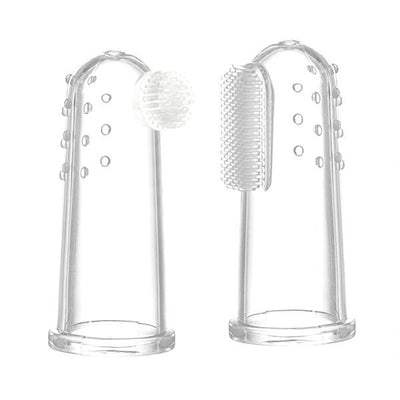
Infant Finger Toothbrush
Shop Now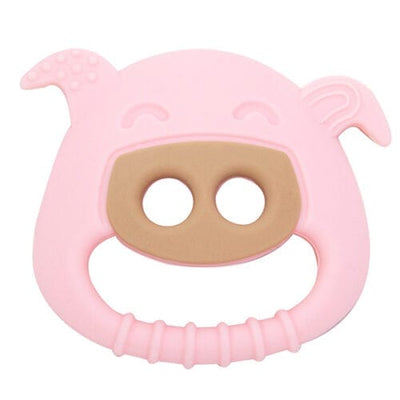
Sensory Teether
Shop Now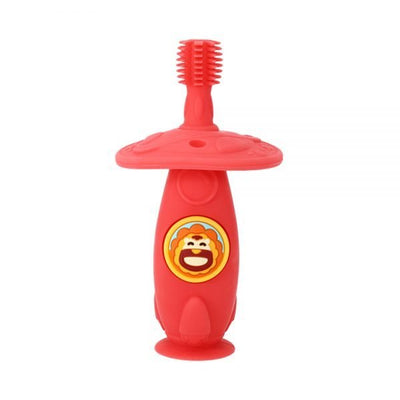
Silicone Baby Toothbrush
Shop Now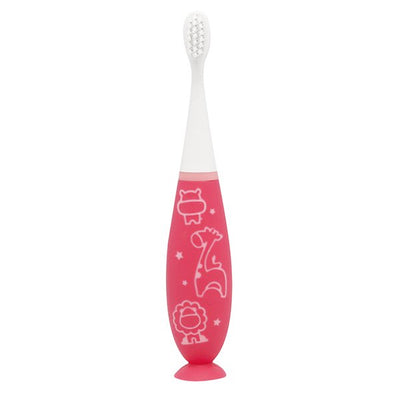
Reusable Toddler Toothbrush
Shop NowFrequently Asked Questions
When do babies start teething?
Babies generally start teething around 6 months, usually with the bottom front two teeth. The range is wide, and a few months early or late is normal. All 20 baby teeth are usually in by about age 2 to 3.
What are the most common teething symptoms?
A 2016 meta-analysis of 16 studies in Pediatrics found the most common teething symptoms were gum irritation (87%), irritability (68%) and drooling (56%). Diarrhea, vomiting and rashes were reported much less often.
Does teething cause a fever?
Teething may cause a very slight rise in body temperature, but the researchers did not characterize it as a fever. A temperature of 38°C (100.4°F) or higher may point to something other than teething, so check with a digital thermometer and call your doctor.
What is safe to give a teething baby?
The U.S. Food and Drug Administration recommends gently rubbing your baby's gums with a clean finger, or offering a firm teether that is not liquid-filled and not frozen. Always supervise your baby with a teether.
What teething products should I avoid?
The FDA advises against numbing gels and creams containing benzocaine or lidocaine, homeopathic teething tablets, and teething necklaces or amber jewelry, which carry risks including choking and strangulation.
How much toothpaste should I use for my baby?
The American Academy of Pediatric Dentistry recommends a smear of fluoride toothpaste, about the size of a grain of rice, from the first tooth until age 3, then a pea-sized amount from 3 to 6. The Canadian Dental Association advises a rice-grain amount for children under 3 only if a health professional assesses them as at risk of tooth decay; otherwise use a toothbrush dampened with water.
When should my baby have a first dental visit?
The Canadian Dental Association encourages a dentist to assess infants within 6 months of the first tooth erupting, or by 12 months of age.
Who should brush a young child's teeth?
Dr. Tarn Dhillon advises that until age 3, an adult should do the brushing. He also advises against sharing spoons, utensils or toothbrushes with your baby.